Violin Tuner Guide: Solving Tuning Problems When Your Instrument Won't Stay in Tune
Are you constantly re-tuning your violin? Do you feel like your instrument has a mind of its own, refusing to stay in tune no matter how often you adjust it? You're not alone. Many violinists, from beginners learning their first notes to experienced players, face frustrating tuning challenges that can disrupt practice and ruin a performance.
Tuning troubles aren't just frustrating—they actually get in the way of making beautiful music. The bright side? Most tuning issues have straightforward causes and simple fixes. This comprehensive guide will help you diagnose the most common violin tuning problems and provide simple, effective fixes. Before you know it, your instrument will hold its pitch longer, allowing you to focus on what truly matters: playing.
And for every adjustment you make, you'll need a reliable way to check your work. Our free online tuner provides instant, accurate feedback right in your browser, making it the perfect partner for all your tuning needs.
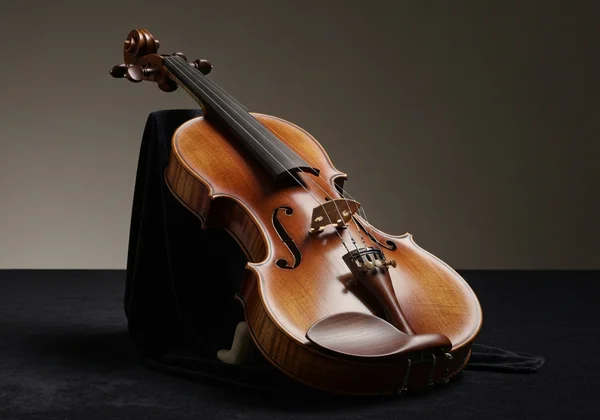
Why Your Violin Pegs Keep Slipping and How to Fix Them
The most common source of tuning instability comes from the tuning pegs. If a peg won’t hold its position, the string attached to it will quickly go flat. This is often described as violin pegs slipping. Whether they are too loose, too tight, or just plain stubborn, here’s how to get them under control.
Diagnosing Loose or Sticky Pegs: What to Look For
First, you need to identify the exact problem. Gently turn each peg while listening and feeling its movement. Here’s what to look for:
- Slipping Pegs: The peg turns smoothly but then slips back as soon as you let go, releasing tension on the string. It feels like there's no grip inside the pegbox.
- Sticky or "Jumping" Pegs: The peg is hard to turn and then moves in a sudden jump, often making you overshoot the correct pitch. It feels jerky and difficult to control.
- Weather-Related Issues: You may notice pegs that were fine in the summer start slipping in the dry winter air, or vice-versa. This is due to the wood expanding and contracting.
Applying Peg Compound or Chalk for Better Grip
For both slipping and sticky pegs, the solution is often to add a bit of friction-modifying material. You don't need to be a professional to do this.
- For Slipping Pegs: Use a product called "peg compound" or "peg drops." Loosen the string completely, pull the peg out, and apply a very small amount of the compound to the two shiny bands on the peg shaft where it contacts the pegbox.
- For Sticky Pegs: A simple piece of dry chalk can work wonders. Just as before, remove the peg and lightly rub chalk on the shiny contact points. This absorbs excess moisture and provides a smoother, more controlled turn.
After applying either substance, re-insert the peg, give it a few firm twists to distribute the material, and then restring.
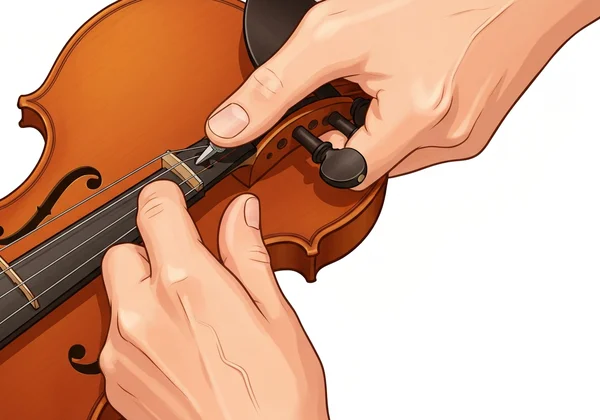
Proper Peg Winding Technique for Stable Tuning
Sometimes, the problem isn't the peg itself, but how the string is wound onto it. A proper winding technique uses the string’s own tension to secure the peg firmly against the pegbox wall.
- Thread the string through the hole in the peg.
- Wind the string neatly towards the pegbox wall closest to the peg's handle.
- On the final wind, make sure the string crosses over the previous winds, gently pinching itself.
- As you push the peg in, the final wrap of the string should be pressed right up against the side of the pegbox. This pressure creates the friction needed to hold the peg in place.
Troubleshooting Fine Tuner Issues: Too Loose, Too Tight, or Broken
Fine tuners are the small metal screws on the tailpiece that allow for precise, minor pitch adjustments. While they are generally reliable, violin fine tuner issues can still cause tuning headaches.
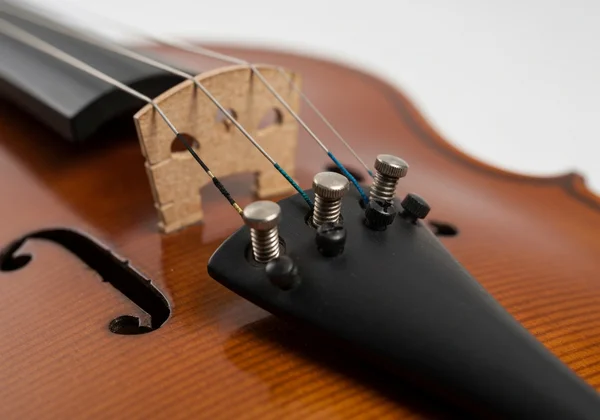
How to Inspect and Adjust Fine Tuners
If a fine tuner is giving you trouble, the fix is usually simple. The two most common problems are being screwed in too far or not far enough.
- Tuner is "Bottomed Out": If the screw is tightened all the way down, it can no longer raise the pitch of the string. It can also create a buzzing sound. To fix this, loosen the string with the tuning peg until you can easily unscrew the fine tuner until it is about halfway out. Then, re-tune the string using the peg, getting as close as possible to the correct note before using the fine tuner for the final adjustment.
- Tuner is Too Loose: If the screw is almost completely unscrewed, it may rattle or fall out. Simply tighten it until it makes firm contact with the lever, then tune the string.
When to Consider Fine Tuner Replacement or Repair
Fine tuners can wear out over time. If the screw's threads are stripped, it will turn endlessly without changing the pitch. Likewise, if the small arm it pushes against is bent or broken, it won't work correctly. In these cases, a replacement is needed. A luthier (a violin repair expert) can replace a faulty fine tuner quickly and affordably.
New Strings and String Stretching: The Hidden Cause of Frequent Re-tuning
Have you just put on a new set of strings only to find your violin won't stay in tune? This is completely normal. New strings are the hidden cause of frequent re-tuning, as they need time to stretch and settle into their final tension. This is known as the "settling-in" period.
Speeding Up the String Settling Process Safely
While strings will settle on their own over a few days, you can speed up the process. After installing a new string and bringing it up to pitch, you can gently stretch it.
- Place your thumb on the fingerboard beneath the string for support.
- With your other hand, gently lift the string an inch or so off the fingerboard over the middle of its length.
- Release the string. You will notice its pitch has dropped significantly.
- Use your online tuning tool to bring it back up to pitch.
- Repeat this process a few times for each new string. This helps the string reach its stable length more quickly.
Recognizing When It's Time for New Strings
Old, worn-out strings can also cause tuning problems. If your strings are more than a few months old and you notice any of these signs, it's time for a change:
- They no longer hold their pitch well, even after settling.
- They sound dull, faded, or lack resonance.
- There are visible signs of corrosion or unwinding, especially over the fingerboard.
Environmental Factors: How Temperature and Humidity Affect Your Violin's Pitch
Your violin is made of wood, a natural material that reacts to its environment. Wood swells in high humidity and shrinks in dry conditions. This directly affects how well the pegs fit in the pegbox. That's why sudden temperature and humidity changes often cause tuning problems.

Protecting Your Violin from Extreme Conditions
The best defense is a stable environment. Follow these simple rules to protect your instrument:
- Always use a case: A good case provides insulation against sudden temperature changes.
- Avoid extreme temperatures: Never leave your violin in a hot or cold car, in direct sunlight, or next to a radiator.
- Acclimatize slowly: When moving between very different environments (like a cold street and a warm concert hall), leave the violin in its closed case for 15-20 minutes to adjust gradually.
The Role of Humidifiers and Dehumidifiers in Violin Care
If you live in areas with dry winters or humid summers, managing moisture is crucial. This helps prevent tuning problems caused by wood expanding and contracting.
- In-Case Humidifiers: In dry weather, a simple tube-style humidifier (often called a "Dampit") can be placed inside your violin to prevent the wood from shrinking too much, which helps keep pegs from getting loose.
- Silica Gel Packs: In very humid weather, a reusable silica gel pack in your case can absorb excess moisture, preventing the wood from swelling and causing pegs to stick.
When DIY Isn't Enough: Seeking Professional Violin Repair
While you can solve most tuning issues yourself, some problems require an expert. Knowing when to see a professional luthier is crucial for your instrument's long-term health. A luthier has the specialized tools and experience to perform adjustments that are beyond the scope of a typical player.
Signs Your Violin Needs a Luthier's Touch
Don't hesitate to seek professional help if you notice any of the following:
- The pegs are so poorly fitted that peg compound doesn't help.
- You see any cracks in the pegbox, body, or neck.
- The bridge appears warped or is leaning dramatically.
- The soundpost inside the violin has fallen.
- Tuning problems persist after you've tried all the solutions above.
What to Expect from Professional Tuning Adjustments or Repairs
When you take your violin to a luthier for tuning issues, they will likely inspect the pegs and pegbox first. They may suggest reshaping the pegs or re-drilling the holes for a perfect fit. They will also check the bridge, nut, and overall setup of the instrument to ensure everything is working in harmony. This professional setup can make a world of difference in your violin's tuning stability and playability.
Final Thoughts
Don't let tuning woes derail your violin journey. By understanding the common culprits—from slipping pegs and new strings to environmental shifts—you can take control of your instrument's stability. A well-maintained violin is a joy to play and the foundation of beautiful music. By applying these solutions, you can spend less time tuning and more time playing.
Remember, after every adjustment, the final step is to ensure each note is perfect. For quick, accurate, and free tuning anytime you need it, be sure to use the professional tool on our homepage.
Frequently Asked Questions About Violin Tuning Problems
Why do my violin pegs keep slipping?
Violin pegs usually slip due to a poor fit or a lack of friction. This is often caused by changes in humidity that make the wood shrink. It can also happen if the strings are not wound correctly to press the peg against the pegbox wall. Using peg compound can often fix this issue.
How often should I expect my violin to go out of tune?
It's normal to make small tuning adjustments every time you play. Changes in temperature can cause the pitch to shift slightly. However, if your violin is going severely out of tune within minutes of tuning it, there is likely an underlying issue with the pegs, strings, or instrument setup.
Can a beginner fix violin tuning problems themselves?
Yes, many common problems are beginner-friendly. Applying peg compound, correcting string winding, and managing fine tuners are all tasks a beginner can learn to do safely. For more serious issues like a badly fitted peg or a crack, it is always best to see a professional luthier.
What are the correct notes for tuning a violin?
The four strings of a violin are tuned to the notes G, D, A, and E. The G string is the lowest and thickest, and the E string is the highest and thinnest. You can check these notes perfectly using our online violin tuner.
Does the type of violin string affect tuning stability?
Absolutely. Higher-quality synthetic core strings (like Dominants) or advanced steel strings tend to be much more stable than basic, inexpensive steel strings once they have settled. They are less affected by temperature and humidity changes, making them a good investment for players who need reliable tuning.